| Status: | Active, open to new members |
| Coordinator: | |
| Group email: | Industrial History group |
| When: | Monthly on Thursday mornings 4th Thursday |
| Venue: | Gleaston Village Hall |
While we are not at present limiting the number of members in the Group, some site visits may be numbers limited. In this case, we operate first-come first-served, with a waiting list. This has not caused any problems recently.
Membership enquiries: please contact Roger Calvert
The future of the Group
For many years the activities of the Industrial History Group have been organized by a small group.
Irene Pearson and Kath Walley have now stepped back from steering the group, and Barbara Green and Jo White have taken over.
Please contact Barbara Green for programme matters and Jo White for administrative things.
Forthcoming Events - 2025
Full details will be circulated by email a couple of weeks (or more) before the date.
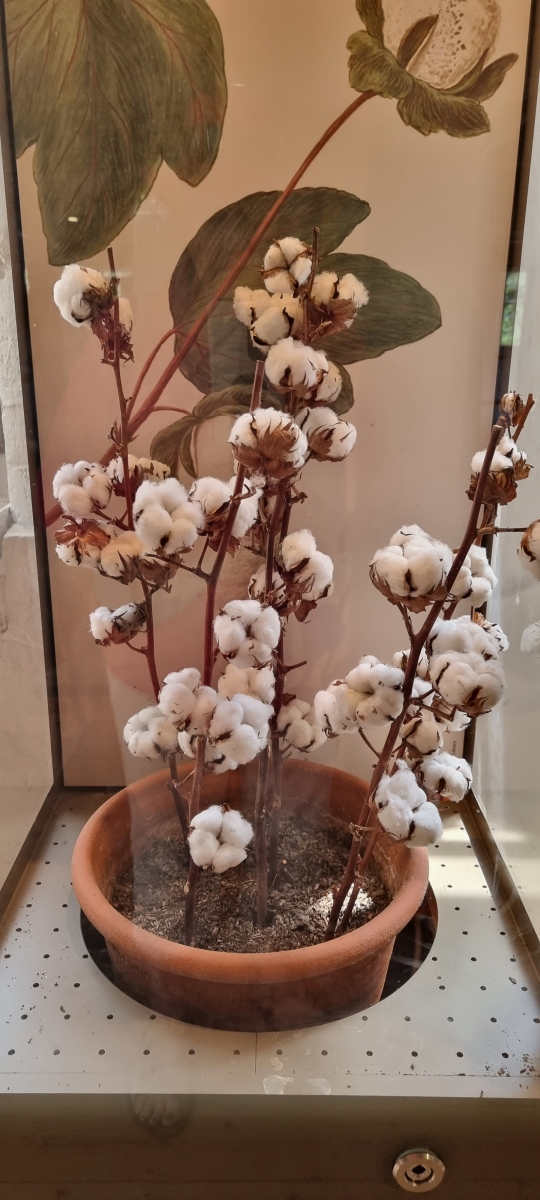


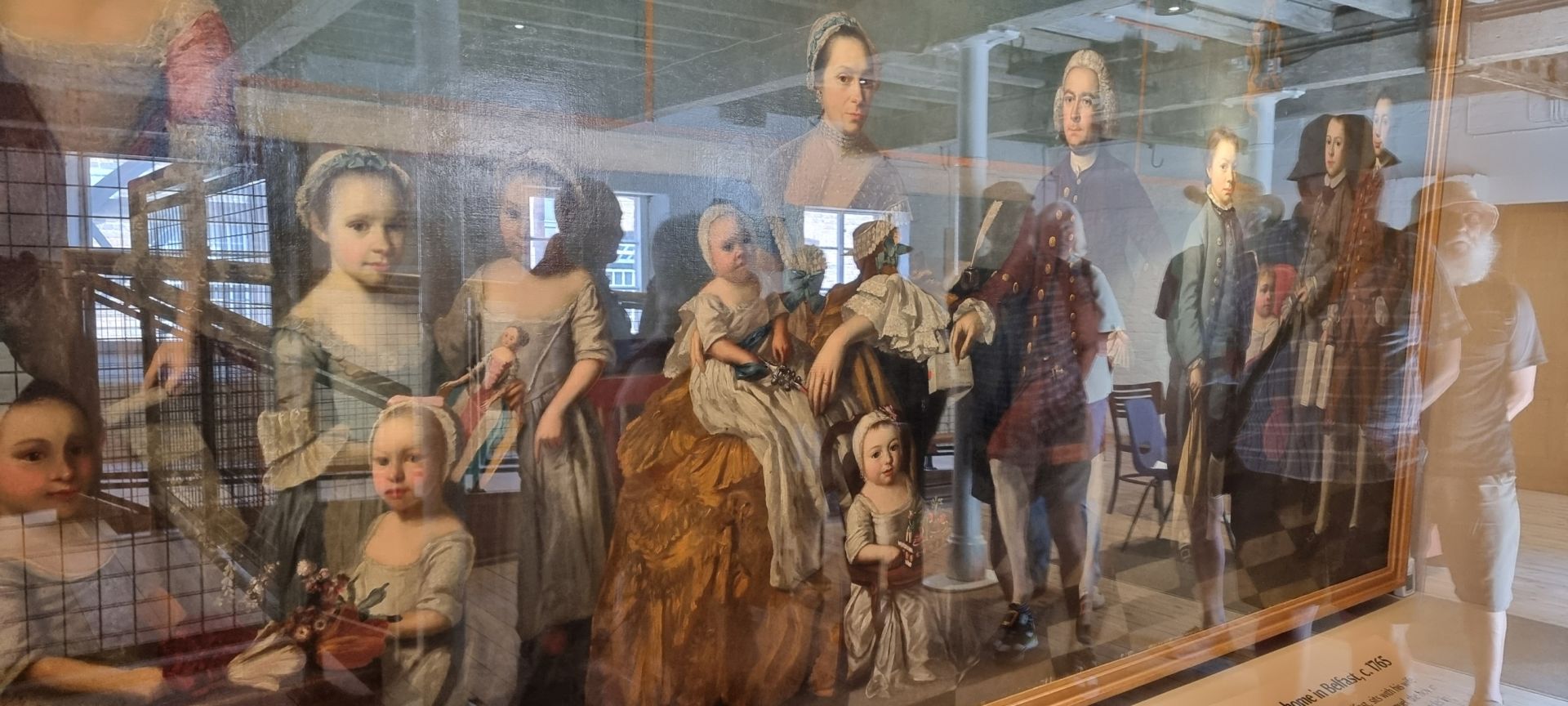
A RECENT VISIT TO QUARRY BANK TEXTILE MILL (Click on any picture to enlarge)
Quarry Bank Mill, located in the village of Styal, Cheshire, England, is a historic cotton mill that played a significant role in the Industrial Revolution. Built in 1784, it stands as a testament to the remarkable achievements of the era and offers a captivating glimpse into the early days of industrialization. With its idyllic setting and rich history, Quarry Bank Mill has become a popular attraction, drawing visitors from around the world.
The mill was established by Samuel Greg, a successful businessman who recognized the potential of the textile industry. Situated on the banks of the River Bollin, the mill harnessed the power of water to operate its machinery, making it one of the first factories to adopt such technology. This innovation allowed Quarry Bank Mill to increase its productivity and efficiency, leading to its rapid expansion and success.
One of the most striking aspects of Quarry Bank Mill is its picturesque surroundings. Nestled amidst rolling hills and scenic landscapes, the mill presents a striking contrast between the beauty of nature and the grittiness of industrialization. Visitors can explore the lush gardens, walk along the tranquil riverbanks, and appreciate the harmonious coexistence of man-made structures and the natural environment.
Inside the mill, visitors are transported back in time to experience the working conditions of the cotton industry during the 18th and 19th centuries. The machinery, preserved in its original state, offers a glimpse into the daunting nature of factory work. The noise, the constant motion, and the sheer scale of the machines evoke a sense of awe and appreciation for the laborers who toiled in these conditions.
Quarry Bank Mill also provides a window into the lives of the workers and their families. The Apprentice House, a dormitory adjacent to the mill, housed children as young as nine who were employed as apprentices. These children worked long hours under gruelling conditions, a practice that was sadly common during the era. Visitors can explore the restored dormitories and gain insight into the hardships faced by these young workers.
Contact Roger Calvert or Barbara Green for more information.